
Why Friday's CPI Report Matters More Than Wednesday's Rally

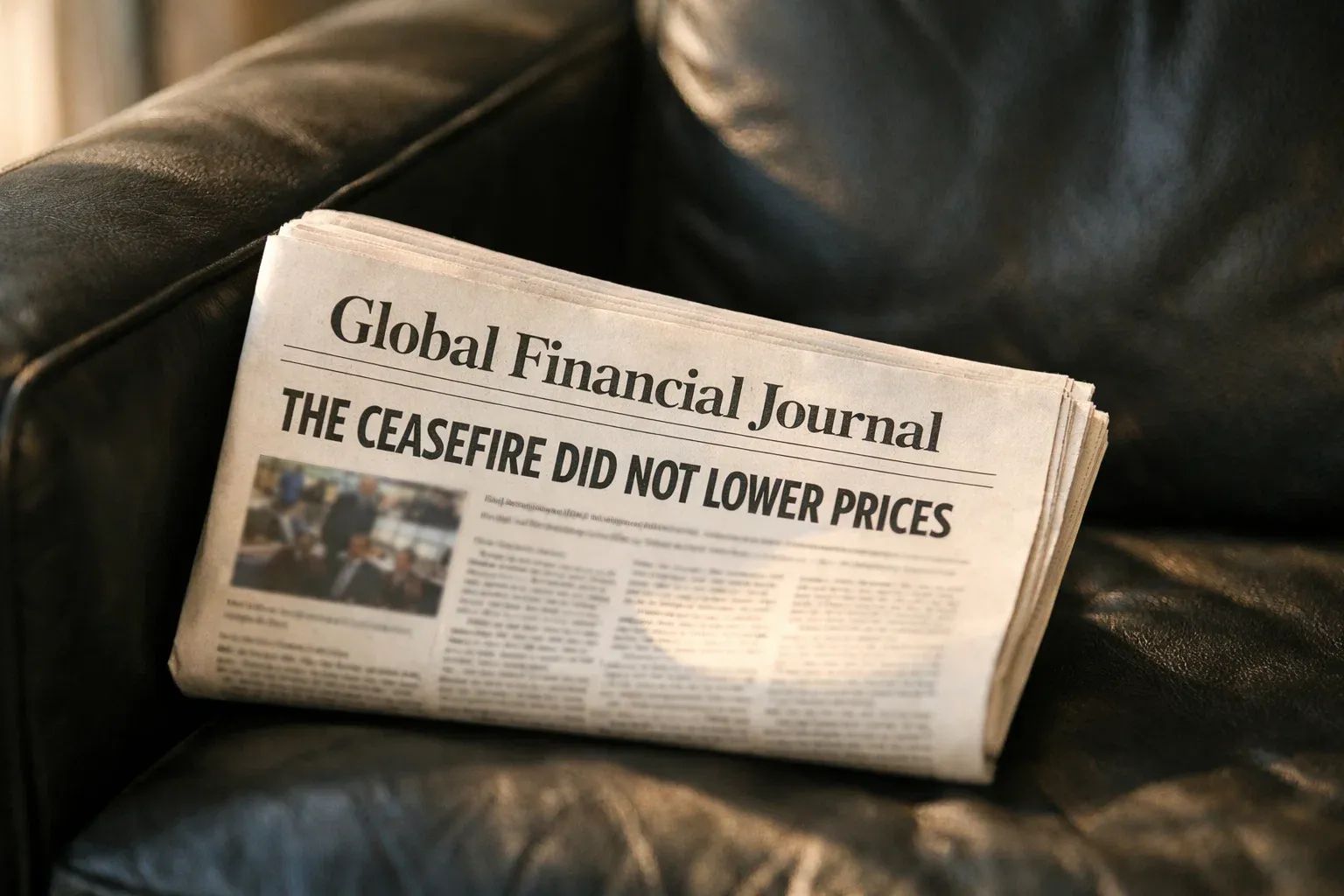
Tomorrow's inflation report will tell us exactly how expensive March was. Before the numbers arrive - one thing worth knowing if you have a balance on a high-rate card:
Hands Down Some Of The Best Credit Cards For 2026
If you have outstanding credit card debt, getting a new 0% intro APR credit card could help ease the pressure while you pay down your balances.
Our credit card experts identified top credit cards for balance transfers that are perfect for anyone looking to pay down debt and not add to it!
Wednesday was a good day for anyone watching their portfolio. Stocks rallied sharply, oil dropped below $100, and markets briefly priced in a fast unwind of geopolitical risk. The two-week ceasefire between the U.S. and Iran, and Iran's agreement to temporarily reopen the Strait of Hormuz, gave investors the relief they had been waiting for.
By Thursday morning, some of that had already started to reverse. Iran's parliamentary speaker accused the U.S. of breaching ceasefire terms. Oil futures moved higher again. Asian markets fell. The relief was real, but it arrived with an expiration date attached.
That tension matters because it sets up tomorrow's CPI report — the most consequential piece of economic data in months - in a very particular way.
What the March CPI Is Expected to Show
The Bureau of Labor Statistics releases the March Consumer Price Index tomorrow morning at 8:30 a.m. Eastern. Economists expect headline CPI to show a significant monthly jump, putting the annual rate around 3.1% — potentially the highest since April 2024. The driver is energy: gasoline prices roughly doubled between late February and early April, and that kind of move does not stay at the pump for long.
February's CPI was running at 2.4% annually. If March comes in near 3%, that is a meaningful acceleration in a single month. Core CPI, which strips out food and energy, is expected to be more contained. But that distinction matters less for most households than the headline number. You cannot opt out of gasoline or groceries.
Why the Ceasefire Does Not Make This Report Go Away
The ceasefire paused the conflict. It did not reverse the price increases that already happened. Gas went from $2.98 in late February to over $4 a gallon by early April. Those prices are already baked into March's grocery deliveries, shipping costs, and utility bills. The March CPI will reflect that reality regardless of what happens in ceasefire negotiations this week.
The Fed understands this. Wells Fargo Investment Institute said this week it no longer expects the Fed to cut rates in 2026, underscoring how much the inflation outlook has hardened since January. Rate cuts that looked likely at the start of the year have quietly disappeared from most forecasts.
For savers and retirees, that combination - inflation re-accelerating while rate cuts disappear from the calendar - is the exact environment that erodes purchasing power steadily and without drama.
What Tomorrow's Number Actually Means for Your Money
If headline CPI comes in at or above 3%, it will confirm what household budgets have been feeling since February: that inflation never fully returned to target, and the energy shock added a new layer on top of an already sticky base.
That has three direct implications worth tracking.
First, the Fed stays frozen. No cuts means no relief on borrowing costs. Credit card rates sitting at an average 22% APR are not moving lower this year. Mortgage rates stay elevated. Anyone financing anything at variable rates continues to pay peak-cycle prices.
Second, fixed income purchasing power keeps eroding. A Social Security check that grew 2.8% in January is already being outpaced by a 3%-plus inflation rate. The next COLA adjustment does not arrive until January 2027. That is an eight-month gap where real income declines.
Third, bond market volatility may return. The 10-year Treasury yield has already risen about 36 basis points since the Iran conflict began. A hotter-than-expected CPI print tomorrow could push yields higher again — which means bond prices fall, and the cushion that 60/40 portfolios rely on gets thinner.
The ceasefire is genuinely good news. Two weeks of reduced energy market pressure could take some heat off April's inflation numbers, which will be reported in May. But tomorrow's number is a document of what already happened — and what already happened is that March was an expensive month for most American households.
Worth knowing before 8:30 tomorrow morning.
Pay No Interest Until Nearly 2027 (Ad by FinanceBuzz)
Written by Deniss Slinkins
Global Financial Journal