
Stocks Can Rally on Hope. Households Still Pay the Bill

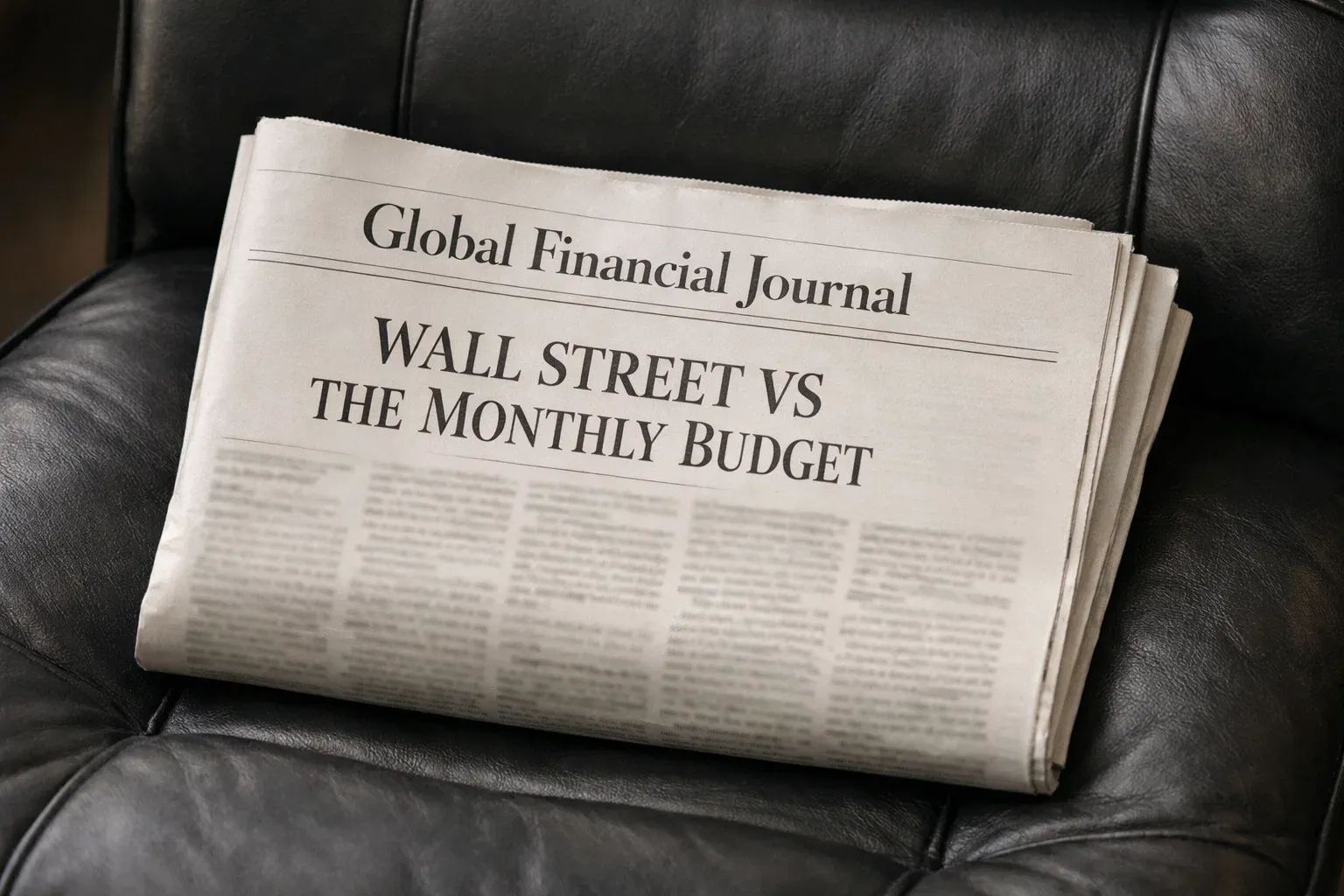
Gas is still above $4. Wall Street is still chasing upside. The gap between those two realities is where a lot of family budgets start to break.
Pay No Interest Until Nearly 2027
Did you know some credit cards could actually help you get out of debt faster?
Yes, it sounds crazy. But it’s true.
The secret: Find a card with a “0% intro APR" period for balance transfers.
Then, transfer your debt balance and pay it down as much as possible during the intro period. No interest means you could pay off the debt faster.
Wall Street may be pricing resilience again.
The S&P 500 pushed to fresh highs last week, futures turned higher again Tuesday, and JPMorgan raised its year-end target for the index to 7,600, arguing that AI-driven earnings can keep supporting the market. On the surface, that sounds like a familiar story: investors looking through the noise and betting that growth can keep carrying the tape.
But there is another story running underneath it.
The International Energy Agency said this week that the conflict involving Iran, the United States, and Israel is creating the biggest energy crisis in history. That is an extraordinary statement from an institution that does not usually reach for dramatic language. The reason is straightforward: the Strait of Hormuz still matters enormously, and any disruption there can move oil, inflation expectations, and consumer confidence faster than most households can adjust.
That is why the market's optimism and the country's lived experience are starting to look like two different economies.
The Bill That Keeps Arriving
Stocks can rise on better earnings expectations, stronger AI sentiment, or the belief that the next geopolitical scare will fade. Household budgets work differently. They react to repeated costs.
Right now, one of the most visible is gasoline. The U.S. average is around $4.04 a gallon. Energy Secretary Chris Wright said prices below $3 may not return until later this year or even into 2027. President Trump publicly pushed back, saying prices would fall as soon as the war ends. That disagreement matters less for politics than for monthly budgets: when top officials cannot speak confidently about where fuel costs are headed, families carry the uncertainty in real time.
Higher fuel costs do not stay at the pump. They bleed into groceries, delivery costs, commuting, and everything else that runs on transportation. A market rally can feel encouraging on paper. A $60 or $80 jump in monthly fuel spending feels immediate. For many households, that is exactly where financial stress stops being abstract and starts showing up in checking accounts and carried balances.
Gold tells part of the story too. Prices have eased slightly from recent highs as the dollar firmed ahead of possible talks, but the metal remains historically elevated at around $3,300 an ounce. Investors may be willing to buy risk again, but they are not willing to stop paying for protection. The market is still carrying insurance because the underlying energy and inflation risks have not gone away.
The Debt That Was Already There
The energy story landed on top of a household balance sheet that was already under pressure.
Total American credit card debt crossed $1.3 trillion at the start of this year — the highest level since the Federal Reserve began tracking it in 1999. Between early 2021 and the end of 2025, balances rose by $507 billion. That did not happen because people became reckless. It happened because inflation ate into purchasing power faster than wages recovered, and millions of households used credit to bridge the gap on groceries, utilities, car repairs, and medical bills.
Bankrate's 2026 Credit Card Debt Report found that 33% of people carrying balances now cite day-to-day expenses as the primary cause of their debt — up from 26% in 2023. Three in five cardholders with balances have been carrying that debt for at least a year. The average APR on a new credit card offer is now 23.75%.
At that rate, a $6,600 balance — the national average — costs more than $3,600 in interest alone over seven-plus years of minimum payments. Most people making minimum payments are barely touching the principal.
The Fed meets April 28 and 29. Markets are pricing a 98% probability of another hold at 3.50% to 3.75%. One-year inflation expectations just hit 4.8% in the latest University of Michigan survey. High-interest debt is not getting cheaper anytime soon. And even when the Fed eventually does cut, the transmission to credit card rates is slow — cardholders who are waiting for rates to fall on their own are likely waiting longer than they expect.
When Short-Term Pressure Becomes a Long-Term Problem
A family budget does not respond to Nasdaq enthusiasm. It responds to recurring bills, due dates, and interest charges. When basic costs stay elevated long enough, even households that are still earning and still working can start leaning harder on revolving credit just to keep cash flow smooth. That is often how short-term pressure turns into a much more expensive long-term problem.
The broader lesson is not that investors are wrong to stay constructive. Earnings still matter. AI spending still matters. Markets can keep climbing longer than household sentiment does.
But when the cost of living stays stubborn and energy remains unstable, the most expensive line item in many budgets is no longer the grocery bill or the gas bill. It is the interest that starts piling up when people carry the shortfall from one month into the next.
That is usually how the gap widens.
Wall Street prices hope quickly. Households usually feel the squeeze first — and pay for it longer.
Hands Down Some Of The Best Credit Cards For 2026 (Ad by FinanceBuzz)
Written by Deniss Slinkins
Global Financial Journal