
Peace Hopes Don't Pay for Gas

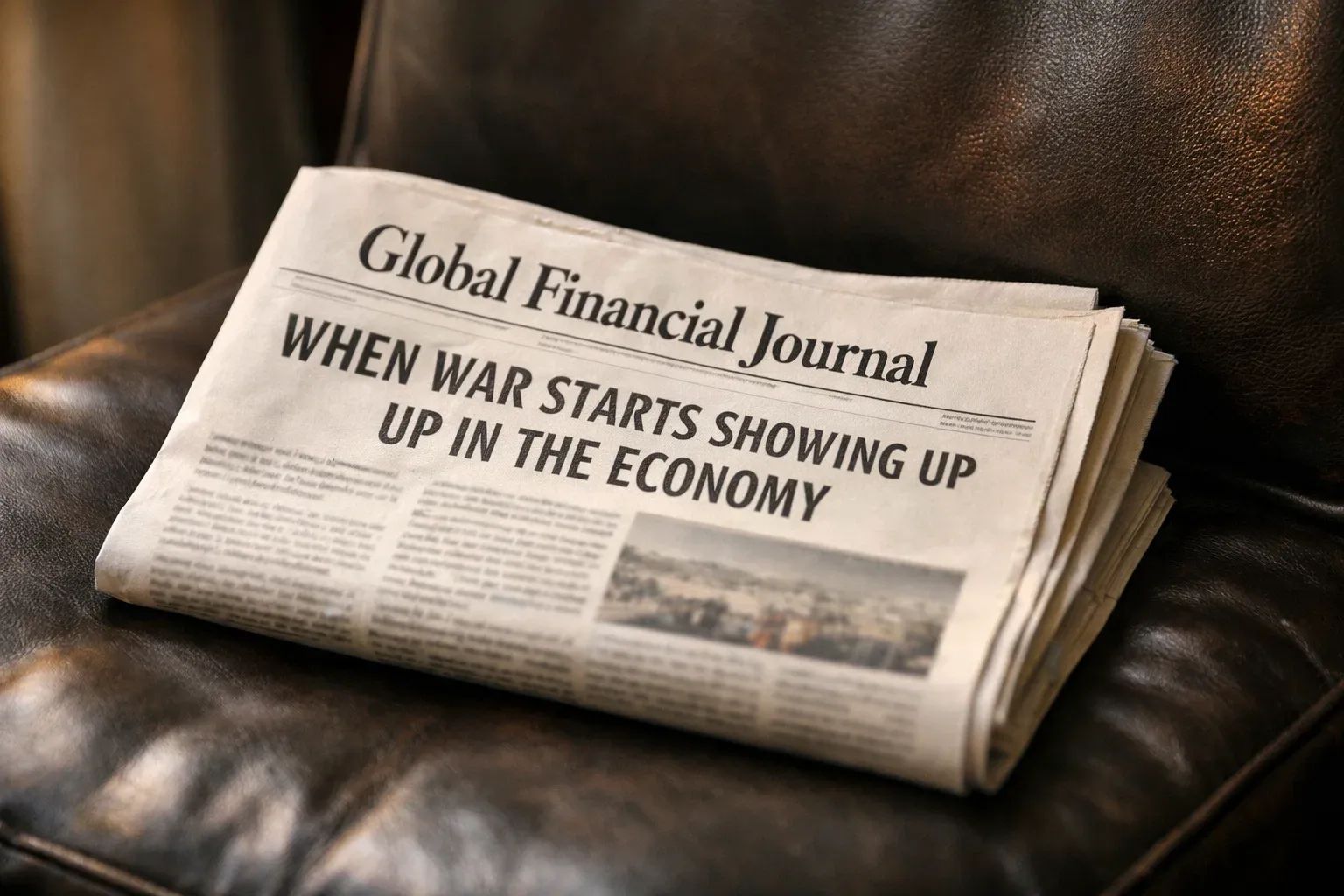
Oil is down. Stocks are up. So why does everything still feel expensive? Because the market recovered. The energy system didn't.

Credit Card Experts Expose The Top 0% Interest Cards Available Now
If you have outstanding credit card debt, getting a new 0% intro APR credit card could help ease the pressure while you pay down your balances.
Our credit card experts identified top credit cards for balance transfers that are perfect for anyone looking to pay down debt and not add to it!
For the market, the easiest story to believe right now is that diplomacy will eventually win.
Oil is down from its panic highs. Stocks are near records. Investors are treating the latest Middle East headlines as serious but still manageable. That is the market version of events.
The economic version is less comfortable.
There is still no date for the next round of U.S.-Iran talks. Shipping through the Strait of Hormuz remains only partially restored. The U.S. blockade of Iranian ports is still being enforced, and U.S. forces have already turned 23 vessels back toward Iran. Britain has called for a full resumption of commercial shipping. Washington has not obliged.
The market can live with uncertainty longer than the real economy usually can. That is the key difference.
The Waiver Nobody Is Talking About
The Biden-era practice of issuing oil sanctions waivers to allies is quietly returning under a different name.
This week, Washington gave South Korea and Japan informal clearance to continue receiving Iranian crude through third-party intermediaries — a concession extracted by Seoul and Tokyo after the blockade sent their energy import costs up sharply. Neither government confirmed the arrangement publicly. Three diplomatic officials familiar with the talks described it to Reuters.
It is a meaningful policy reversal. The same administration that imposed the naval blockade is now carving out exceptions for its closest Pacific allies — because the economic cost of full enforcement was becoming politically unsustainable for governments in Seoul and Tokyo.
That is what fragile systems do. They force governments to choose between pressure and stability — and right now, stability is winning the argument behind closed doors. Oil shocks do not stay in the energy market. They move into freight costs, industrial inputs, airline tickets, imported goods, and the monthly math of running a household or a business.
From Oil Markets to Financial Stability
The IMF warned this week that the Middle East war is increasing financial stability risks, exposing vulnerabilities in non-bank finance including private credit. That does not mean the system is breaking. It does mean this shock is no longer confined to oil traders and geopolitical analysts. It is beginning to work its way into the wider financial architecture.
That matters for anyone holding bonds, annuities, or income-generating assets. Private credit has grown fast over the past decade, often with tight connections to banks and insurers that are not fully visible until stress arrives. Regulators are paying attention. The Treasury has been asking private credit firms about their operations. The Fed has been asking banks about their exposure. Those are not casual inquiries.
Meanwhile, the Fed meets April 28 and 29. Markets are pricing a 98% probability of another hold at 3.50% to 3.75%. One-year inflation expectations in the latest University of Michigan survey hit 4.8%, the highest reading in years. The Fed cannot afford to let those expectations de-anchor, which means rate cuts remain a late-2026 story at best, and only if the ceasefire holds.
What the Next Two Weeks Will Decide
The most important question now is not whether stocks can stay elevated for another few sessions. They can.
The better question is whether the economy can absorb a period in which diplomacy is uncertain, oil logistics remain impaired, and policymakers are already making exceptions to keep the energy system from tightening further. Markets can price hope in an afternoon. Businesses and households have to live with the lag.
March PCE lands April 30. The Q1 GDP advance estimate arrives the same day. Retail sales hit Monday. Any renewed Iran escalation or breakthrough could move oil ten dollars overnight in either direction. CD rates at 4.0% to 4.5% and a 30-year mortgage at 6.30% are real numbers worth acting on while the window is open.
The war is no longer only being fought through missiles, sanctions, and headlines. It is being felt through prices, shipping routes, policy concessions, and rising economic strain. The next phase of this story will be judged less by battlefield drama and more by whether the economic system keeps bending under the pressure.
Put Interest On Ice Into 2027 (Ad by FinanceBuzz)
Elon Musk: This Could Turn $100 into $100,00 (Ad by Brownstone Research)
Written by Deniss Slinkins
Global Financial Journal