
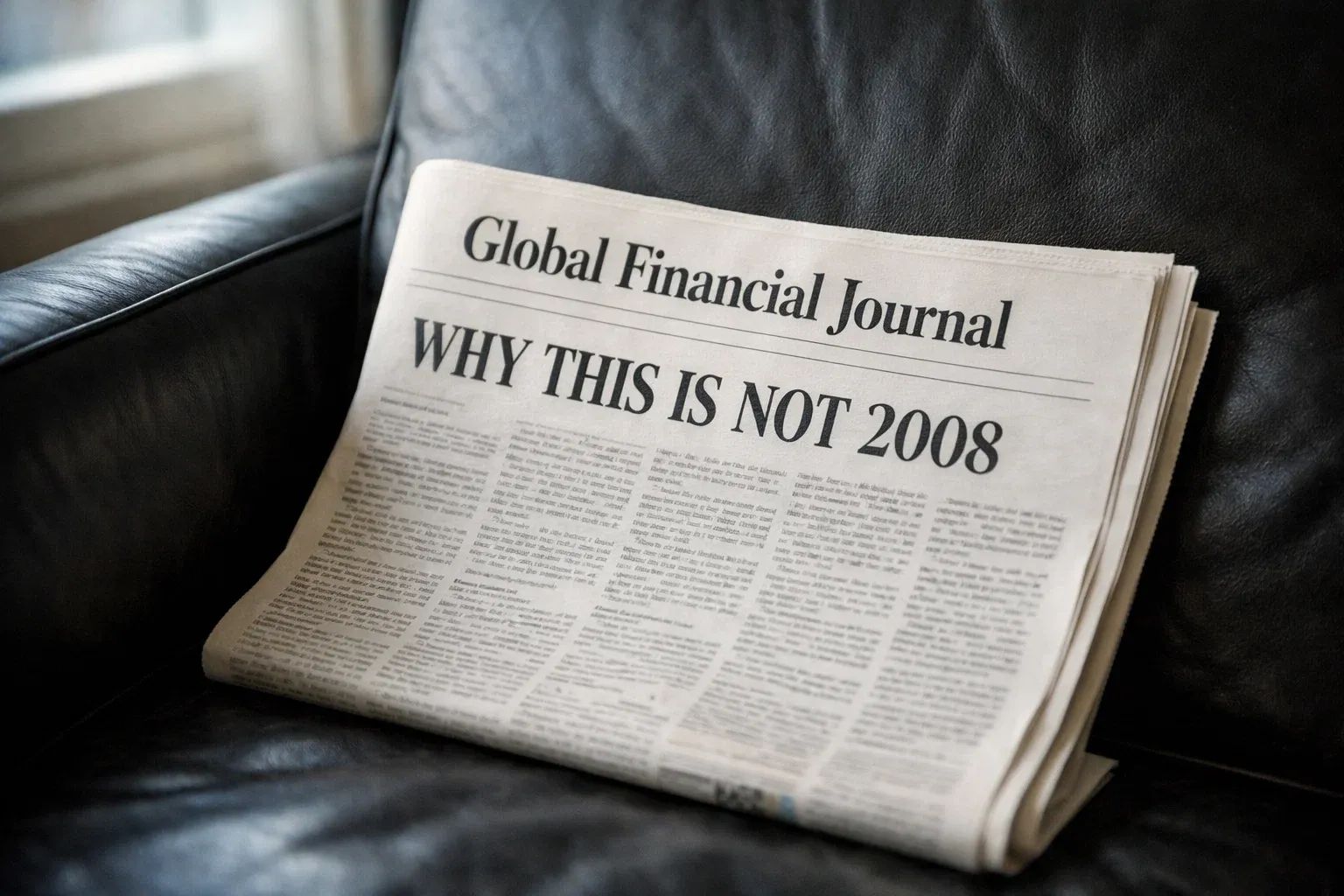
Oil Near $108 and Rising Loan Defaults. This Is Not 2008. But It Is a Warning

Before the numbers - one thing worth knowing if you carry a balance:

Pay No Interest Until Nearly 2027
Pay no interest until 2027 with some of the best hand-picked credit cards this year. They are perfect for anyone looking to pay down their debt, and not add to it!
Brent crude is trading above $108 a barrel this week, up roughly $40 from a year ago. Gasoline at the pump nationally is averaging $4.10. And subprime auto loan delinquencies have hit their worst levels in over three decades, with nearly 7% of subprime borrowers now 60 or more days past due according to Fitch Ratings.
Two separate pressures, but the same household is feeling both. The question worth asking is not whether this looks like 2008. It does not, for reasons worth understanding. The better question is what it means for anyone trying to protect income and purchasing power through the rest of this year.
Why the Delinquency Numbers Matter - Even If You Are Not Subprime
Subprime borrowers are not most readers of this publication. But when a significant slice of the consumer base starts buckling under high monthly payments, the ripple effects move upstream.
Retailers notice it first. Discretionary spending contracts among the households that were already stretched. Then lenders tighten standards across the board, not just for the weakest credits. Auto loan originations have already been falling across every credit tier below super-prime for four consecutive years, according to Experian.
The difference from 2008 is structural. Subprime auto loans are packaged into asset-backed securities and spread across institutional investors, not concentrated in systemically critical banks. The losses are real, but they are absorbed differently. Morningstar's chief U.S. economist puts 2026 closer to a managed slowdown than a credit crisis. That is probably right - at the macro level.
At the household level, it looks different. The borrowers defaulting on auto loans are the same people who have been leaning on credit cards to cover the gap between wages and costs. That gap just got wider with oil above $108.
What $108 Oil Does to a Fixed Income Budget
The math is direct. A household driving 12,000 miles a year at 25 miles per gallon uses about 480 gallons. At $2.98 in February, that was roughly $1,430 annually. At $4.10 today, it is $1,970. That is $540 more per year - about $45 a month - before any secondary effects hit.
The secondary effects are already moving. February CPI showed energy up 0.6% month over month, and food up 0.4%, before the Strait of Hormuz disruption fully worked through supply chains. The March number, due April 10, will likely show more. Transport costs run through everything from groceries to home delivery to utility bills.
EIA's current forecast has Brent staying above $95 through at least the second quarter. The conflict driving these prices has no clear exit timeline. That is not a prediction — it is the range of outcomes the market is pricing.
Three Things Worth Reviewing Now
The sequence of returns risk is real here. If you are drawing from a portfolio while energy inflation is eroding purchasing power and market volatility is elevated, the order of those events matters more than the average annual return. Worth a conversation with your advisor about whether your current withdrawal rate assumes a smoother path than 2026 is delivering.
If you hold energy sector exposure — through an ETF, a dividend stock, or a sector fund — this environment is generating significant cash flow for producers even as it squeezes consumers. That is not a recommendation to chase it, but it is worth knowing whether your allocation reflects where the earnings are actually coming from right now.
And if rising costs have pushed any spending onto a high-interest credit card, the interest on that balance is compounding at roughly 22% APR while you wait for conditions to normalize. That is the most expensive line item in the budget to carry, and the one most directly in your control.
Put Interest On Ice With These Top Credit Cards Ad by FinanceBuzz
Written by Deniss Slinkins
Global Financial Journal